


















































































ChatGPT’s Massive Scale Meets Challengers in the Race for AI Dominance (2026 Analysis)

In 2026, ChatGPT remains one of the most influential AI platforms, but its dominance is being tested as competitors gain ground. OpenAI’s flagship chatbot still attracts huge user engagement, yet challengers — ranging from Google’s Gemini to emerging models like Claude and DeepSeek — are reshaping the global AI landscape with their own innovations and differentiated strategies. (CMSWire.com)
ChatGPT’s Unmatched Scale — Still Leading the Pack
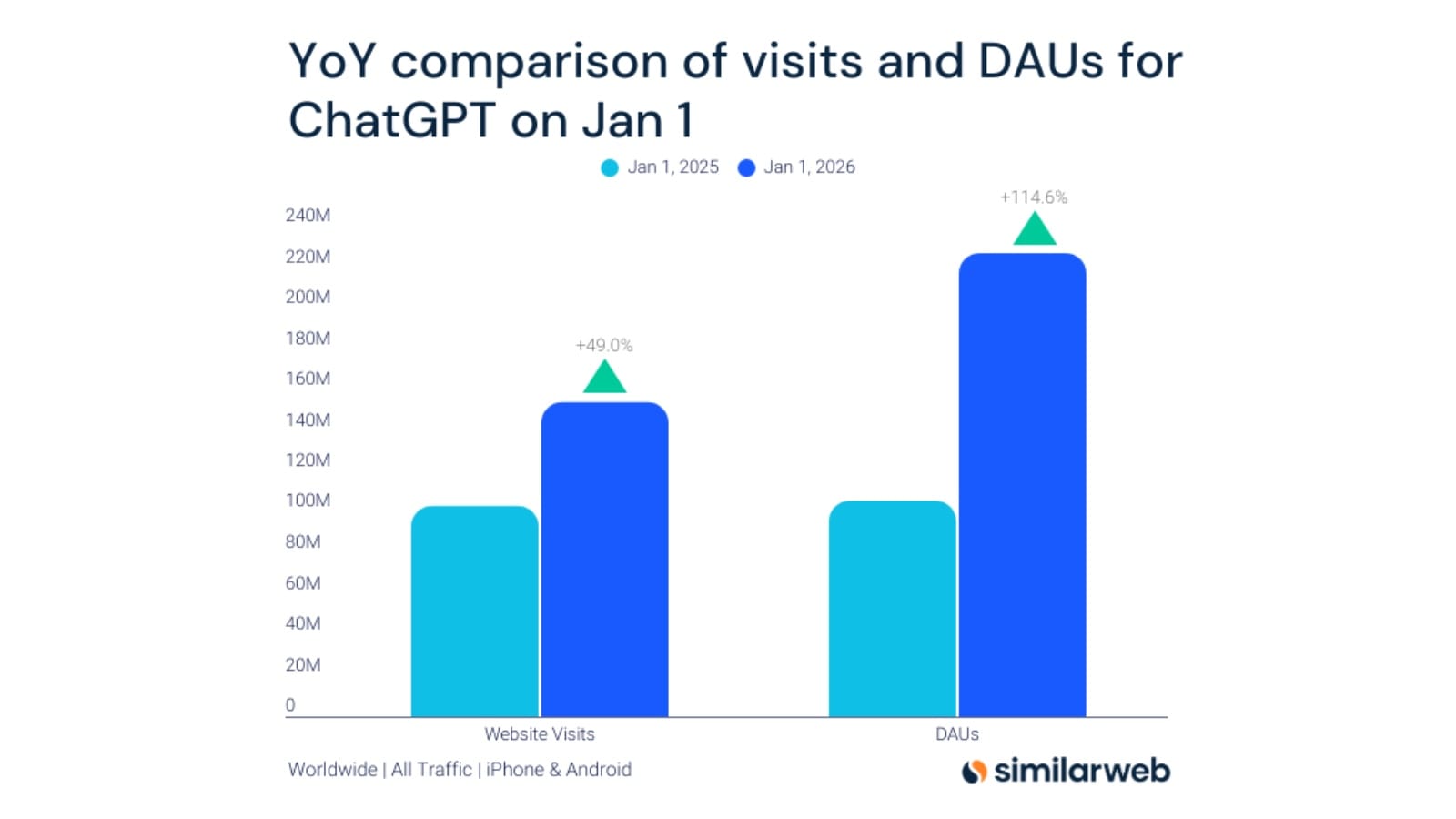
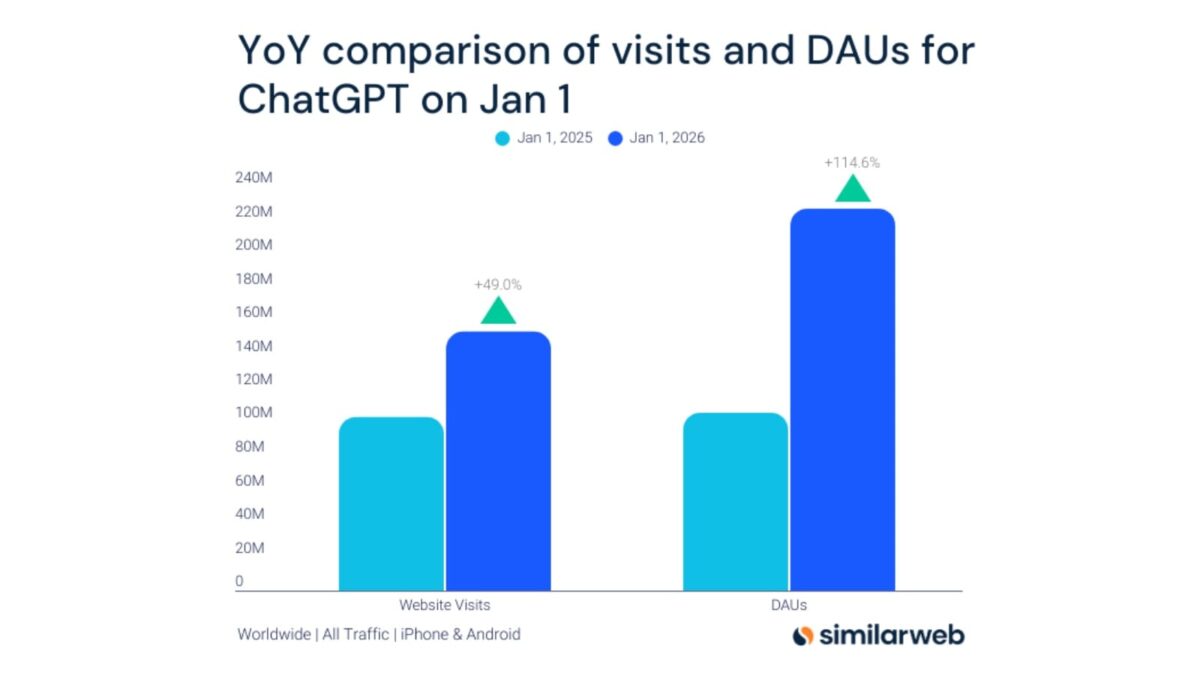
OpenAI’s ChatGPT continues to dominate the generative AI space thanks to its massive user base and widespread adoption. According to digital analytics, ChatGPT experienced tremendous growth following updates such as the introduction of GPT‑4o and voice mode, which doubled usage and helped it outpace many competitors. (CMSWire.com)
Beyond sheer scale, ChatGPT’s integration into productivity workflows, educational tools, and customer support systems has helped it solidify its position. Industry data shows that ChatGPT has remained the central AI tool for billions of users worldwide, making it a key driver of mainstream AI adoption. (Tekedia)
Rising Challengers: Who’s Gaining Ground?
Google Gemini — A Rapidly Climbing Competitor
Google’s AI Gemini has gained significant traction, capturing a growing share of the chatbot market and challenging ChatGPT’s user engagement. Recent traffic analyses indicate Gemini’s web usage increasing steadily, showcasing how Google’s ecosystem leverage — tied to Search, Maps, and other services — helps amplify its AI reach. (Whalesbook)
Anthropic’s Claude — Enterprise Focus
Anthropic’s Claude has carved out a strong niche by targeting enterprise AI applications, delivering tailored solutions and gaining revenue through specialized contracts and partnerships. This strategy allows Claude to compete despite having a smaller general audience compared to ChatGPT. (VERTU® Official Site)
DeepSeek and Other Emerging Rivals
AI models like DeepSeek are also making headlines by introducing cost‑efficient alternatives to mainstream LLMs. DeepSeek’s success, particularly in Asian tech ecosystems, shows how price competition and open‑source development can influence market dynamics and push innovation beyond established players. (Wikipedia)
Market Share Trends and Competition Dynamics
Although ChatGPT still maintains a majority share of the AI chatbot market, the competitive landscape is shifting:
- ChatGPT and Google’s Gemini together control a large portion of AI traffic, but ChatGPT’s share has shown signs of decline as others grow. (Foreign Affairs Forum)
- Specialized models like Claude and Perplexity are carving out meaningful user segments, particularly in enterprise and search‑oriented AI use cases. (VERTU® Official Site)
- Smaller challengers are gaining footholds by appealing to cost‑conscious developers and regional markets. (Wikipedia)
This evolution shows that market consolidation is underway, but not to the extent of a full monopoly — competition continues to shape how generative AI evolves. (VERTU® Official Site)
What This Means for Users and Businesses
1. Broader AI Innovation
Competition fuels faster innovation. Models are improving more rapidly as companies race to deliver unique features like multimodal capabilities, real‑time reasoning, and enterprise integration.
2. More Options for Developers
Developers now have choice across multiple platforms — from mainstream tools like ChatGPT and Gemini to niche models optimized for specific tasks.
3. Risk of Fragmentation
While healthy competition drives innovation, it also introduces complexity for users deciding which AI solutions best fit their needs.
For a deeper look into the competitive AI landscape and how generative models are shaping tech’s future:
📌 ChatGPT Market Competition Report — Vertu AI Market Share Analysis
📌 OpenAI vs. Google AI Strategic Dynamics — Semafor Tech Discussion
📌 DeepSeek Wikipedia Overview — Emerging AI Model Trends
Conclusion
The race for AI dominance is far from settled. ChatGPT’s massive scale gives it a powerful lead, but challengers like Google Gemini, Anthropic’s Claude, and emerging models such as DeepSeek are rapidly closing the gap with innovative features, differentiated strategies, and targeted market approaches.
As competition intensifies in the generative AI sector, users and businesses stand to benefit from greater choice, faster innovation, and more robust AI tools than ever before — marking a new chapter in the evolution of artificial intelligence technology.