
 joseph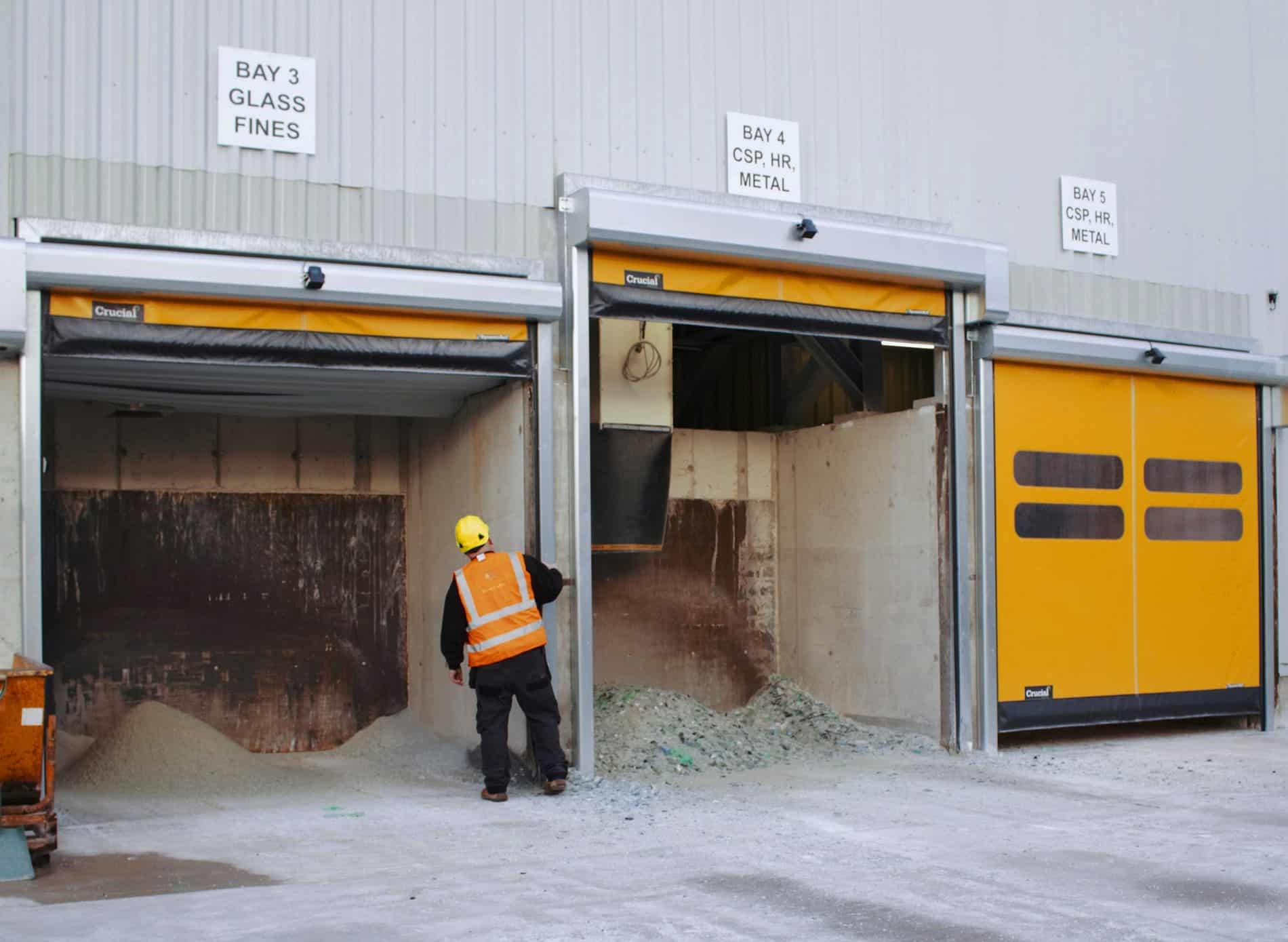
Modern British manufacturing is characterized by high pressure environment and the margin of stagnation and profitability is increasingly determined by operational fluidity. As we are moving through 2026 there is a significant shift in industrial infrastructure as well as a widespread abandonment of slow moving and conventional roller shutters in favor of a more advanced high speed door systems.
This is a transition that is more than just an aesthetic upgrade but is a strategic response to some of the most pressing challenges which include spiraling energy costs and the uncompromising demand for workplace safety.
Efficiency Through Velocity
Facilities like pharmaceutical labs, food processing plants and high traffic logistics hubs the open door is a significant liability and every second a bay remains open causes conditioned air to escape thereby forcing the HVAC system to work overtime. With conventional doors that usually takes up to 30 seconds for a cycle to complete but with modern high speed doors the velocities exceed 2.5 meters per second.
The cumulative impact is substantial and industry data suggests that reducing air exchange causes high speed doors to reduce the energy loss by up to 30%. In temperature critical environments like cold storage the efficiency is the difference between facing costly inventory spoilage and maintaining product integrity.
The Safety Imperative
Beyond the balance sheet, the move toward automation is fundamentally a human-centric one. Busy warehouse floors are a choreographed chaos of forklifts, automated guided vehicles (AGVs), and pedestrian staff. Slow doors create bottlenecks, which in turn lead to hurried, high-risk maneuvers.
Modern high-speed systems are equipped with integrated light grids and motion sensors that monitor the entire door path. If an obstruction is detected, the door reacts instantaneously, preventing the crushing accidents associated with older, heavier hardware. Furthermore, many of these systems now feature “break-away” technology-if a vehicle strikes the door, the curtain releases from its guides without structural damage and can be reset in minutes, eliminating both the safety hazard and the operational downtime.
Precision Engineering: The EFAFLEX Standard
As manufacturers vet various high speed door companies to future-proof their sites, the focus has shifted toward precision and longevity. German-engineered solutions have long set the benchmark in this sector. EFAFLEX, a pioneer in spiral door technology, has become a mainstay for UK firms looking for systems capable of handling up to 250,000 cycles per year. Their EFA-SST® series, for instance, combines high-speed operation with thermally separated laths, offering a U-value that rivals permanent wall structures—a critical advantage for the UK’s net-zero ambitions.
Future-Proofing the Factory Floor
The adoption of these systems reflects a broader trend toward the “Smart Factory.” Many high-speed doors are now being integrated directly into Warehouse Management Systems (WMS), allowing doors to open automatically as an assigned forklift approaches and close the millisecond it clears the threshold.
As UK manufacturing continues to navigate a volatile economic landscape, the focus remains on resilience. By investing in the apertures of their buildings, companies are finding they can protect their people, their products, and their profits simultaneously while strengthening a more sustainable supply chain. The slow-moving industrial door may soon be a relic of a less efficient era, replaced by a gateway that moves as fast as the modern global supply chain.
About the Author