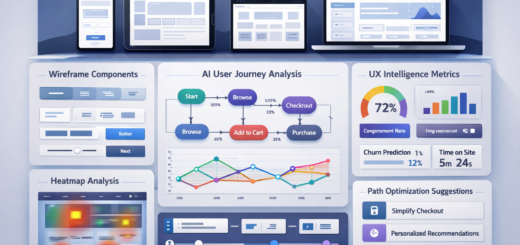
The Evolution of Smart Digital Ecosystems in Modern Online Platforms

Modern online platforms are no longer static websites but interconnected digital ecosystems powered by intelligent systems.
Artificial intelligence, scalable cloud infrastructure, and real-time data orchestration have transformed how platforms operate and evolve.
These ecosystems integrate content architecture, multilingual indexing, and automation to deliver personalized user experiences at scale.
As digital demand increases, platforms must balance performance, security, and adaptability within highly distributed environments.
Understanding the evolution of smart digital ecosystems reveals how advanced technology frameworks sustain long-term online growth.
From Static Websites to Intelligent Digital Frameworks
Early web platforms were built on monolithic architectures that limited scalability and adaptability.
As user expectations evolved, developers adopted service-oriented and microservices-based infrastructures to improve flexibility.
Cloud-native technologies enabled horizontal scaling, ensuring consistent performance under fluctuating traffic conditions.
This shift laid the groundwork for modular digital ecosystems capable of integrating artificial intelligence into core operations.
Today’s platforms operate as interconnected systems rather than isolated digital properties.
Intelligent orchestration engines now monitor performance metrics, user behavior, and infrastructure health simultaneously.
AI-driven analytics process large datasets in real time to guide optimization strategies.
Content delivery networks distribute assets globally to reduce latency and maintain speed.
Infrastructure-as-code allows rapid deployment of updates without service disruption.
These advancements collectively define the foundation of modern digital ecosystems.
AI Systems as the Core Intelligence Layer
Artificial intelligence functions as the cognitive layer of smart digital ecosystems.
Machine learning algorithms evaluate behavioral signals to refine recommendation engines and search results.
Natural language processing supports automated tagging, semantic clustering, and multilingual indexing.
Predictive analytics anticipate demand patterns, enabling proactive resource allocation.
These capabilities transform raw data into actionable intelligence across the platform.
AI also enhances operational efficiency through automated monitoring and anomaly detection.
Security systems use behavioral modeling to identify irregular access patterns.
Content moderation systems apply pattern recognition to maintain quality standards.
Adaptive interfaces adjust layouts based on user engagement data.
The integration of AI ensures platforms remain dynamic and responsive to change.
Scalable Web Architecture and Cloud Infrastructure
Scalability is fundamental to sustaining modern digital ecosystems.
Cloud platforms provide elastic computing resources that expand and contract as needed.
Containerization and orchestration tools enable modular deployment across distributed environments.
Load balancing ensures consistent availability during peak traffic periods.
These systems collectively create resilient and fault-tolerant digital infrastructures.
Edge computing further reduces latency by processing data closer to end users.
Distributed databases synchronize information across geographic regions.
Serverless computing models reduce operational overhead while improving efficiency.
Observability frameworks track system performance across every microservice.
Together, these technologies support seamless digital growth without compromising reliability.
Content Clustering and Structured Digital Taxonomy
Content architecture has evolved from simple keyword placement to sophisticated clustering strategies.
Platforms now organize information into thematic hubs supported by semantic relationships.
AI-powered tagging systems automatically classify content within structured taxonomies.
This architecture strengthens internal linking and improves search engine discoverability.
Strategic clustering reinforces topical authority across entire digital ecosystems.
Multilingual indexing expands reach by mapping semantic variations across languages.
For example, structured keyword clusters may incorporate region-specific digital terms such as สล็อต within broader taxonomy frameworks.
Similarly, category-based indexing might align technical metadata around structured anchors like เว็บสล็อต for multilingual discoverability.
Such integration ensures that global platforms maintain consistent semantic structure across linguistic boundaries.
These approaches strengthen international visibility while preserving coherent content hierarchies.
Advanced digital indexing also supports cross-domain reference models.
Taxonomy frameworks may include contextualized anchors such as สล็อตเว็บตรง to reinforce structured classification within regional language datasets.
In multilingual optimization models, AI systems can map variations like pg slot into normalized semantic clusters.
Similarly, experimental indexing environments may integrate anchors such as ทดลองเล่นสล็อต to test language-based discoverability within controlled digital frameworks.
This systematic clustering ensures scalable and algorithmically consistent indexing strategies.
Multilingual Search Optimization and Index Intelligence
Global digital ecosystems must address linguistic diversity through intelligent indexing systems.
Search engines rely on structured metadata to interpret contextual meaning across languages.
AI-driven translation engines enhance semantic accuracy beyond direct word substitution.
Regional query modeling aligns content architecture with localized search behavior.
These capabilities expand global accessibility without fragmenting content structures.
Index intelligence systems continuously evaluate search performance metrics.
Algorithmic models identify underperforming clusters and suggest structural refinements.
Automated schema markup strengthens contextual clarity for search engines.
Content freshness signals maintain relevance within competitive digital environments.
The result is a dynamic optimization cycle driven by data insights.
User Experience Personalization Through Data Systems
User experience has become central to smart ecosystem design.
Behavioral analytics measure engagement, session depth, and interaction frequency.
AI recommendation engines tailor content presentation in real time.
Dynamic interface elements adjust based on device type and browsing history.
Personalization increases retention while maintaining architectural coherence.
Data governance policies ensure personalization respects privacy standards.
Encryption protocols protect sensitive information during data exchange.
Consent management systems maintain compliance with regulatory frameworks.
Transparent analytics dashboards provide operational oversight for administrators.
This balance between personalization and protection defines responsible digital innovation.
Platform Optimization and Performance Engineering
Optimization extends beyond speed into holistic system refinement.
Performance engineering teams analyze bottlenecks at application and infrastructure layers.
Automated testing environments simulate high-traffic scenarios before deployment.
Continuous integration pipelines accelerate updates while minimizing risk.
These practices maintain operational stability within complex ecosystems.
Energy efficiency is increasingly integrated into optimization strategies.
Cloud resource allocation is adjusted to reduce unnecessary computational load.
AI-driven scaling models minimize idle infrastructure consumption.
Green hosting initiatives align performance with environmental sustainability goals.
Modern digital ecosystems therefore pursue both technical and ecological efficiency.
Cybersecurity as a Structural Pillar
Security architecture forms a foundational layer of intelligent ecosystems.
Zero-trust models verify every access request regardless of network origin.
Multi-factor authentication reduces vulnerability to credential-based threats.
AI-based intrusion detection systems identify anomalous behavior patterns.
These measures protect data integrity across distributed infrastructures.
Security operations centers leverage predictive analytics to anticipate risks.
Threat intelligence feeds provide real-time awareness of emerging vulnerabilities.
Automated patch management ensures timely system updates.
Role-based access control limits exposure within internal networks.
Comprehensive cybersecurity safeguards preserve trust and platform continuity.
The Future of Smart Digital Ecosystems
Emerging technologies will further enhance ecosystem intelligence.
Federated learning models will allow AI training without centralized data storage.
Quantum-resistant encryption will strengthen long-term security frameworks.
Decentralized identity systems will improve user authentication processes.
These innovations signal the next phase of digital infrastructure evolution.
Autonomous optimization engines will increasingly manage system performance.
AI copilots may assist administrators in real-time decision-making.
Advanced data visualization dashboards will simplify complex operational insights.
Cross-platform interoperability standards will encourage ecosystem collaboration.
The convergence of these technologies will redefine online platform architecture.
Conclusion
Smart digital ecosystems represent the culmination of AI, scalable architecture, and structured content strategy.
Their evolution reflects a shift from static web design to adaptive, data-driven intelligence frameworks.
Through multilingual indexing, content clustering, and advanced infrastructure orchestration, platforms achieve sustainable growth.
Performance optimization and cybersecurity integration ensure long-term resilience in competitive environments.
As innovation accelerates, intelligent ecosystems will continue shaping the future of digital interaction and global connectivity.