US-Iran Conflict Escalates as Protests, Sanctions and Military Threats Rise (2026 Update)
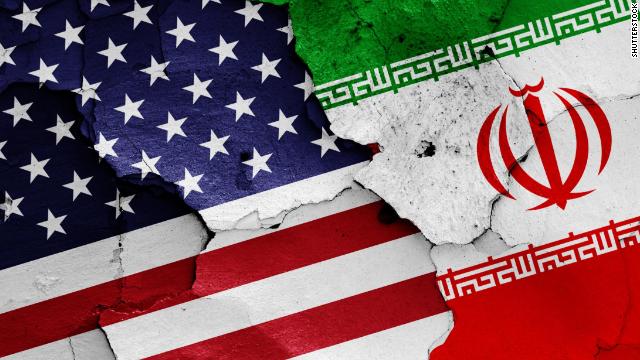
The relationship between the United States and Iran has entered a period of heightened tension in early 2026, marked by political clashes, economic sanctions, global protests, and threats of military action — raising concerns about regional stability and the possibility of broader conflict. (Al Jazeera)
Background: Internal Unrest in Iran
Iran is experiencing nationwide protests, triggered by deep economic distress, soaring inflation and public frustration with government policies. These demonstrations, described as the largest since the 2009 Green Movement, have led to widespread arrests, internet blackouts and significant loss of life according to human rights reports. (The Guardian)
The mounting unrest has drawn international reaction, with the United States and other Western nations criticizing Iran’s crackdowns while Iranian authorities denounce foreign interference as a threat to national sovereignty. (Al Jazeera)
US Diplomatic and Military Signals
The White House has taken a firm stance on the situation:
- President Donald Trump has reiterated that military force remains an option if Iran continues violent repression of protesters or threatens US interests in the Middle East. (The Guardian)
- The US cancelled all diplomatic meetings with Iranian officials and urged protestors to continue calling for change, although details of future interventions remain unspecified. (AP News)
In a significant economic move, the administration has imposed a 25% tariff on countries trading with Iran, aiming to intensify pressure on Tehran amid the crisis. (Financial Times)
These developments have provoked global reaction, with some nations warning that escalating rhetoric and sanctions could deepen instability and disrupt diplomatic efforts. (Al Jazeera)
International Responses and Sanctions
The situation has drawn broad international attention:
- Several Western governments have called for de-escalation and stressed the importance of diplomatic solutions. (The Economic Times)
- Human rights organizations and world leaders have condemned violence against protesters and urged restraint from all parties. (The Economic Times)
Countries in South Asia and the broader Middle East have also expressed concerns about the potential for regional escalation and the economic fallout of conflict. Analysts warn that any direct military confrontation could drastically raise energy prices and disrupt global supply chains due to Iran’s strategic position along key oil transport routes. (Reddit)
Regional Security and Geopolitical Stakes
The tensions come against a backdrop of unresolved issues concerning Iran’s nuclear program and relations with neighboring states:
- Past conflicts, including a 12-day war involving Israel in 2025, have already shaken the region and shaped strategic calculations. (Wikipedia)
- Efforts at indirect negotiations — sometimes mediated by neutral actors like Oman — reflect a complex mix of diplomatic engagement and strategic brinkmanship. (News.az)
Though direct warfare between the U.S. and Iran has been avoided thus far, military rhetoric and economic pressure continue to heighten global alert levels. Nations are watching closely for any escalation that could widen the conflict beyond the Middle East.
Economic Impact and Global Risks
The ongoing tensions are not only political but also economic:
- Oil markets have reacted sharply to the uncertainty, with prices rising as traders factor in the possibility of disruptions to supply — particularly through the Strait of Hormuz, a chokepoint critical to global energy trade. (Reddit)
- Sanctions and tariffs also have implications for global trade flows, affecting countries engaged economically with Iran.
Outlook: Diplomacy vs. Escalation
As 2026 unfolds, the future of US-Iran relations remains uncertain. While diplomatic channels have not been completely severed, the failure of recent talks and hardline political rhetoric suggest a continued period of high geopolitical risk. Analysts emphasize that the best path forward — widely echoed by global leaders — lies in diplomatic negotiations rather than military confrontation. (The Economic Times)
Summary:
The US-Iran conflict in 2026 is marked by domestic unrest in Iran, US economic sanctions and military posturing, global diplomatic pressure, and significant geopolitical risks. While full-scale war has been avoided, the situation remains volatile and consequential for international peace, energy markets, and regional security. (The Guardian