




















































































Markets went into Friday expecting a soft jobs number and a Federal Reserve with a relatively clear path toward supporting growth. They got neither. August payrolls grew by 162,000 — roughly three times the 53,000 economists polled by Dow Jones had forecast — and the surprise sent Treasury yields higher and reshuffled expectations for the Fed’s upcoming meeting almost immediately.
What the Report Actually Showed
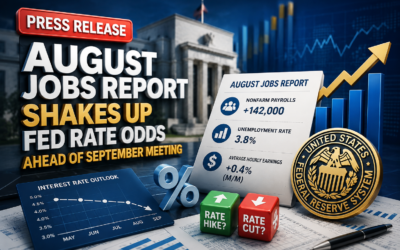
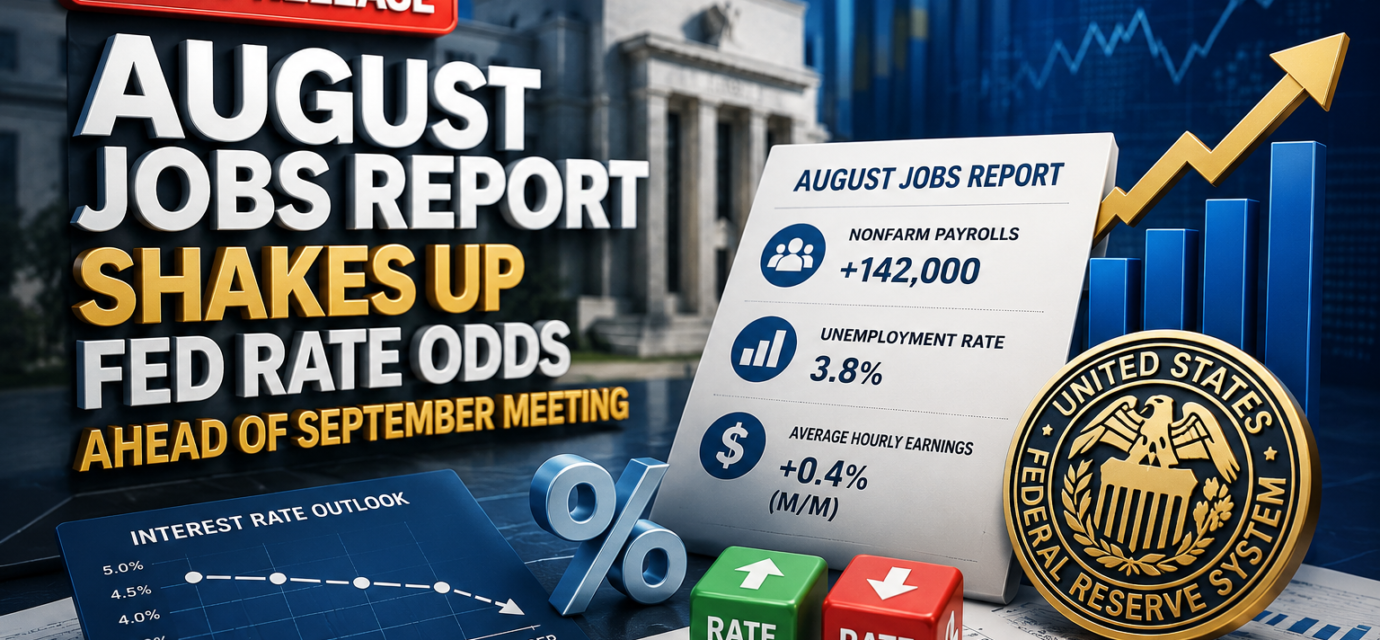
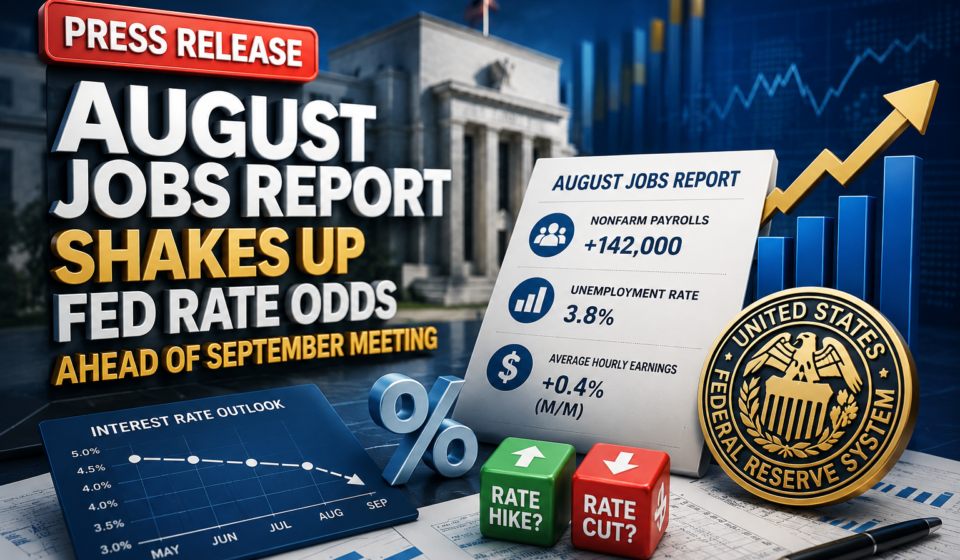
The headline number was the story: 162,000 jobs added in August against expectations for barely a fifth of that. The unemployment rate held steady at 4.1%, exactly as expected, but the payrolls beat was large enough to matter on its own. Adding to the surprise, revisions to June and July’s figures both came in higher than previously reported, suggesting the labor market has had more underlying strength this summer than earlier data indicated.
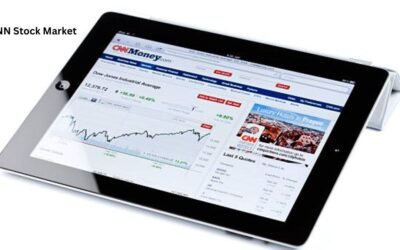
The market reaction was immediate and somewhat contradictory. The Dow Jones Industrial Average fell 271.86 points, or 0.51%, on the day of the report, while the S&P 500 slid 0.38%. That’s a classic “good news is bad news” response — a stronger labor market reduces the case for the Fed to ease policy, and traders sold accordingly. Treasury yields moved higher in response, with the 2-year yield touching its highest level since January 2025.
Why a Strong Jobs Report Spooked the Market
This is one of those moments where healthy economic data and investor sentiment pull in opposite directions. A hot labor market is generally good news for the economy broadly, but it complicates the inflation picture the Fed is trying to manage. More hiring generally means more wage growth, more consumer spending power, and more upward pressure on prices — all of which cuts against the case for cutting interest rates.
As one portfolio manager put it in the days following the report, a payrolls number this volatile “nudges up the probability of a September hike slightly” while shifting the real debate onto whatever inflation data arrives before the Fed’s meeting. That’s a notably different posture than markets were pricing just a week earlier.
The Fed’s Balancing Act Into Mid-September
The timing compounds the uncertainty. Fed Chair Kevin Warsh delivered a hawkish appearance at the Jackson Hole symposium in late August, signaling a clear bias toward acting if incoming data doesn’t show continued progress on disinflation. Days later, Fed Governor Christopher Waller struck a noticeably different tone, saying he’d be “inclined to support” holding rates at their current 3.5% to 3.75% target range at the September 15–16 meeting.
That’s a genuine split at the top of the Fed, not just market noise — and it means the August jobs report doesn’t settle the debate so much as it raises the stakes on whatever inflation data lands before the meeting. Markets are now watching that data almost as closely as the meeting itself.
The Broader Market Context
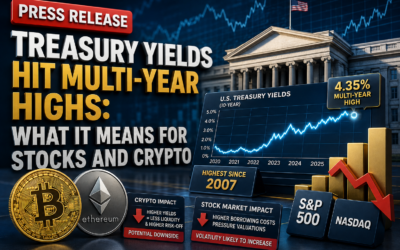
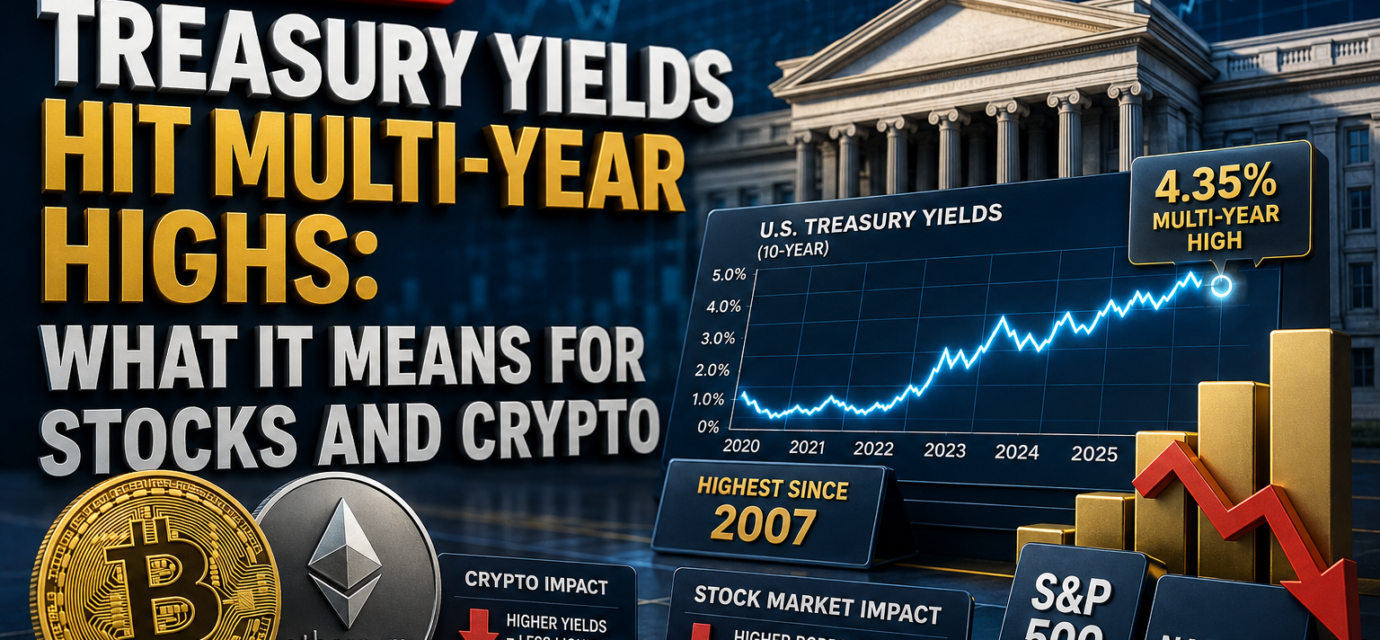
This isn’t happening in isolation. The 10-year Treasury yield touched 4.818% earlier in the week — a level not seen since November 2023 — as elevated bond yields have been weighing on stocks for weeks, driven partly by concerns that rising oil prices could reignite inflation pressures. Yields in the UK, Germany, and Japan have all moved higher in tandem, suggesting this isn’t a purely domestic story but part of a broader global repricing of rate expectations.
For risk assets more broadly — including crypto markets, which have shown increasing sensitivity to Fed policy signals as institutional participation has grown — a more hawkish Fed reduces the case for continued monetary support that’s helped fuel gains across asset classes this year.
What Investors Are Watching Next
- Inflation data released before the September 15–16 FOMC meeting, which will likely matter more than the jobs report itself in determining the Fed’s next move
- Whether Warsh’s hawkish tone or Waller’s more dovish signal proves closer to the Committee’s actual consensus
- Continued movement in the 10-year Treasury yield, given its recent multi-year highs and spillover effects across equity and crypto markets
- Oil prices, since their recent climb is a specific inflation risk factor the Fed has flagged
FAQ
How many jobs were added in August 2026? 162,000, against economist forecasts of roughly 53,000.
Did the unemployment rate change? No — it held steady at 4.1%, in line with expectations.
Why did stocks fall on a strong jobs report? A stronger labor market reduces the likelihood of Fed rate cuts and raises inflation concerns, which investors read as a negative for near-term monetary policy support.
When is the Fed’s next meeting? September 15–16, 2026.
Is the Fed expected to cut or raise rates? Views are currently split — Fed officials have sent mixed signals, with some more hawkish and others more inclined to hold rates steady, making incoming inflation data the key remaining variable.