
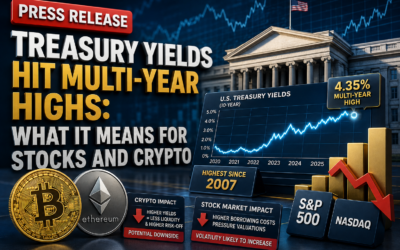
























































































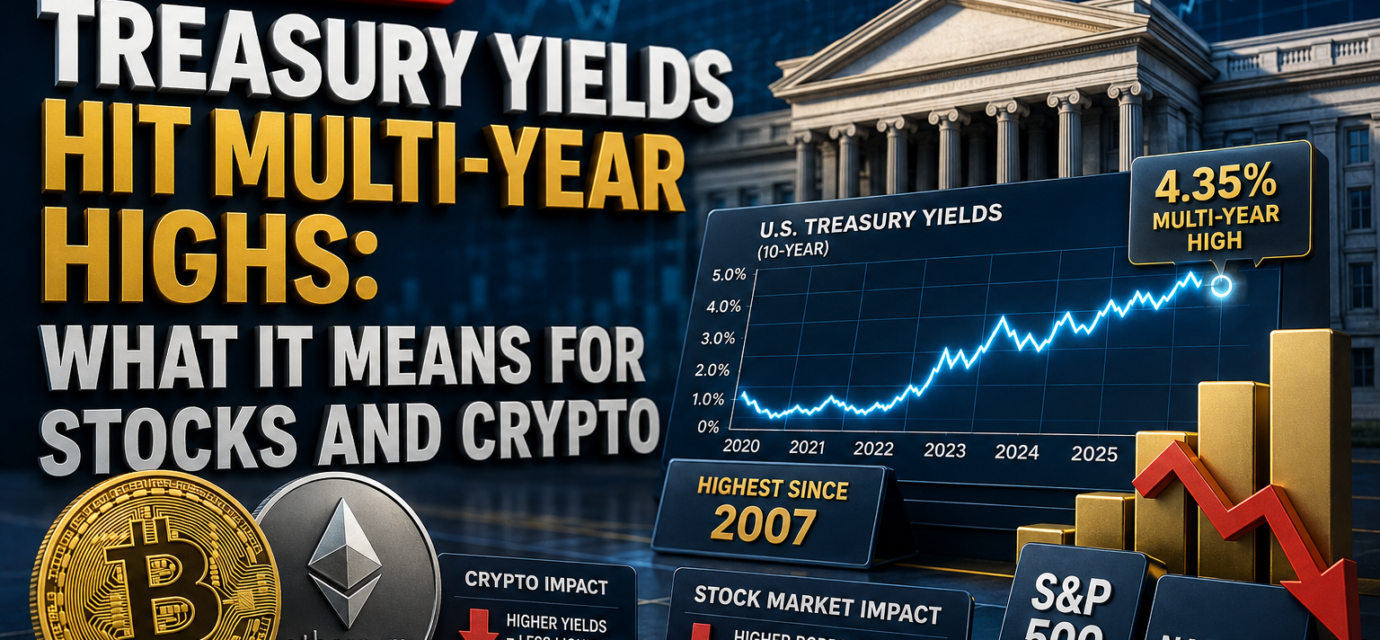


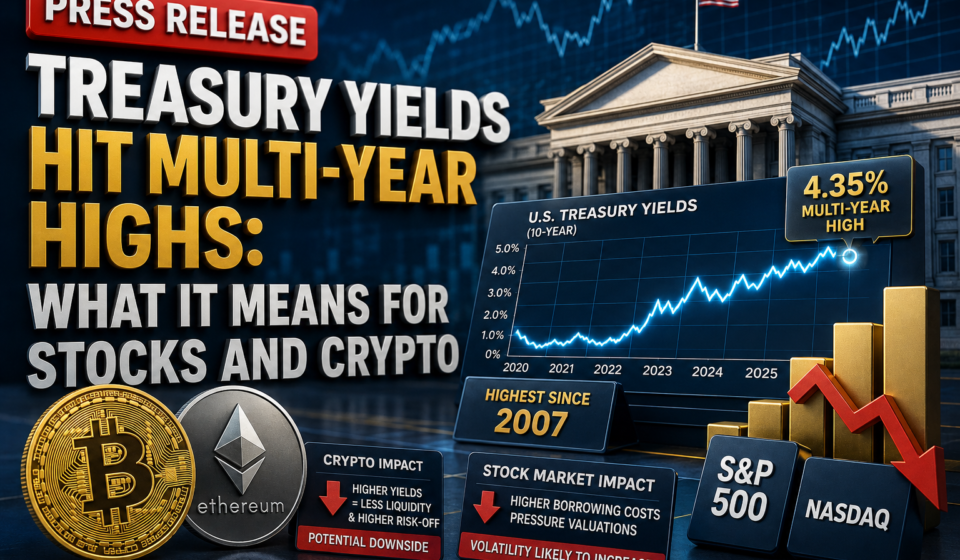

The number that’s been quietly reshaping every other market this month isn’t a stock price or a crypto chart — it’s the yield on a 10-year US government bond. Early September saw that yield touch 4.818%, a level not seen since November 2023, and the ripple effects are showing up everywhere from equity valuations to the risk appetite behind crypto’s recent rally.
Why a Bond Yield Moves Everything Else
Treasury yields function as the baseline “risk-free” return in the entire financial system, and when that baseline rises, it changes the math for literally every other asset. Higher yields mean investors can earn more just by holding safe government debt, which raises the bar for how much return riskier assets — stocks, crypto, growth companies — need to offer to stay competitive. That’s the basic mechanism behind why rising yields tend to pressure equity valuations, particularly for companies whose value depends heavily on future earnings growth rather than current cash flow.
The recent climb hasn’t been confined to the US either. Yields in the UK, Germany, and France have all moved higher in tandem, and Japan’s 10-year government bond yield has traded around multi-decade highs. That global synchronization suggests this isn’t a narrow US story about one data release — it’s a broader repricing of how much return investors expect from holding long-term government debt worldwide.
What’s Actually Driving the Move
Two forces have combined to push yields higher this cycle. The first is inflation risk tied to energy prices — diesel has hit record highs as conflicts in Ukraine and Iran have knocked refineries offline, and rising oil prices historically feed through into broader inflation expectations, which bond markets price in via higher yields.
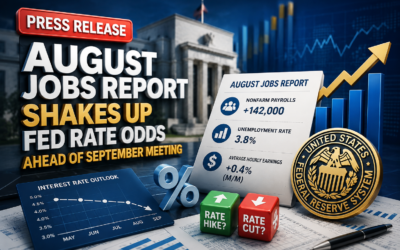
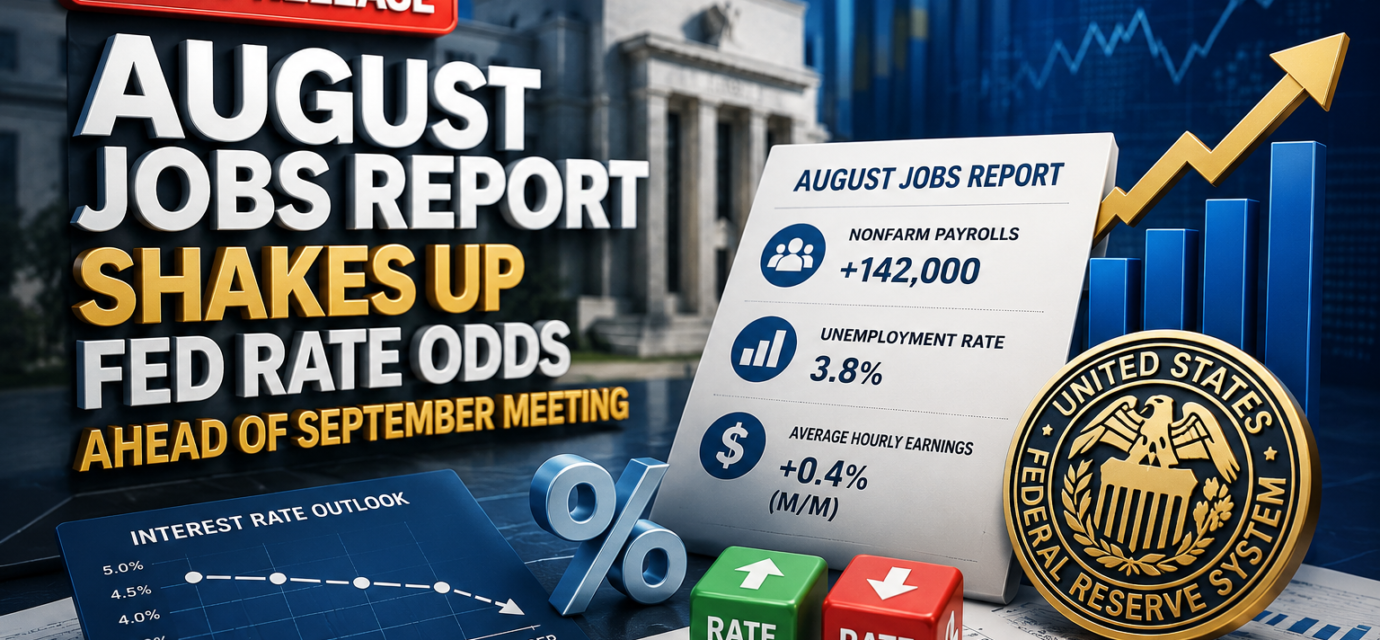
The second is the labor market. August’s payrolls report showed hiring far stronger than economists expected, reducing the case for the Federal Reserve to cut rates anytime soon. Bond markets responded exactly as you’d expect — with a stronger economy and less certain rate relief ahead, yields moved up to reflect that reality.
There’s also a structural demand-side story developing. Reports have surfaced that the world’s largest sovereign wealth fund is planning to reduce its US Treasury holdings, which — if it plays out at scale — would remove a significant, historically reliable buyer from the market. Less demand for a fixed supply of bonds tends to push yields higher, all else being equal.
How Stocks Have Actually Responded
The equity market’s reaction has been genuinely two-sided rather than a straight decline. On days when yields spiked sharply, major indices fell — the Dow dropped over 270 points following the jobs report, driven by concerns about what strong hiring means for Fed policy. But on other sessions, when yields eased back even slightly, stocks caught a tailwind and recovered, snapping brief losing streaks. The S&P 500 and Nasdaq have both continued grinding to fresh highs over the same period, suggesting the market isn’t panicking about higher yields outright — it’s reacting to the pace and reasoning behind each individual move.
That pattern is worth understanding on its own terms: markets appear more concerned with *why* yields are rising (inflation risk, reduced rate-cut odds) than with the absolute level of yields itself.
The Crypto Connection
Crypto markets have grown considerably more sensitive to interest-rate and macro signals as institutional participation has expanded, and this cycle is no exception. Bitcoin’s own rally through August coincided with a period of relatively contained yields; as yields have pushed back toward multi-year highs in early September, it’s added a genuine headwind to what had been a strong month for crypto risk appetite. The same institutional capital that flows into Bitcoin ETFs during risk-on periods is often the first to pull back when safe yields become more attractive — a dynamic worth watching heading into the Fed’s mid-September meeting.
What Investors Are Watching Next
- Whether the 10-year yield breaks meaningfully above 4.818% or finds resistance and pulls back
- Oil and diesel prices, given their direct role in the current inflation-risk narrative pushing yields higher
- Confirmation (or denial) of reported sovereign wealth fund Treasury selling, which would be a structural demand shift worth tracking closely
- How equity markets respond if yields continue climbing into the Fed’s September 15–16 meeting, versus how they’d likely react to a pause or reversal
FAQ
Why do rising Treasury yields affect stock prices? Higher yields raise the return available from “risk-free” government debt, which increases the bar riskier assets like stocks need to clear to remain attractive, often pressuring valuations.
What’s driving yields higher right now? A combination of inflation concerns tied to rising oil and diesel prices, a stronger-than-expected August jobs report reducing near-term rate-cut odds, and reports of reduced sovereign demand for Treasuries.
Is this just a US phenomenon? No — yields in the UK, Germany, France, and Japan have all moved higher in the same period, suggesting a broader global repricing.
How does this affect crypto markets? Higher yields tend to reduce risk appetite broadly, which can act as a headwind for crypto even during periods of otherwise positive momentum.
What yield level would be considered a bigger warning sign? There’s no fixed threshold, but a sustained move meaningfully above the current 4.818% level — especially if paired with weak equity performance — would signal markets pricing in a more prolonged higher-rate environment.