






























































































Learning how to day trade crypto starts with understanding how cryptocurrency prices move within short periods and how traders manage the risks associated with those movements. Crypto day trading generally involves opening and closing positions within the same trading day rather than holding digital assets as long-term investments. Popular cryptocurrencies such as Bitcoin and Ethereum can experience significant price changes within hours or even minutes, creating trading opportunities but also increasing the possibility of losses. Be1Crypto helps readers understand crypto markets, trading strategies, technical analysis, and risk-management principles through practical and educational information. For traders in the USA and UK, choosing a suitable crypto trading platform is also important because exchange availability, fees, regulations, and tax requirements can vary by location. Before trading, users should research the platform they plan to use, understand its trading fees and security features, and check the latest regulatory requirements applicable in their country.
How to Day Trade Crypto Step by Step
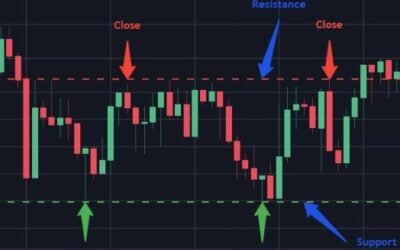
For beginners asking how to day trade crypto, the first practical step is to develop a clear trading plan instead of buying or selling based on market hype. Start by choosing a reputable cryptocurrency exchange or trading platform that operates in your region and provides the charting and order-management tools required for your strategy. Traders can then study liquid cryptocurrencies such as Bitcoin (BTC) and Ethereum (ETH), observing price trends, support and resistance levels, trading volume, and overall market conditions. Technical tools such as moving averages, Relative Strength Index (RSI), candlestick patterns, and volume indicators are commonly used to analyse short-term movements, although none can predict future prices with certainty. Before entering a trade, consider defining an entry price, potential profit-taking level, stop-loss point, and maximum acceptable loss. Beginners can also use paper trading where available to test their approach before committing significant capital. Be1Crypto provides educational resources that can help traders better understand these concepts and develop a structured approach to crypto day trading rather than relying on emotional or impulsive decisions.
Crypto Day Trading Risks for USA and UK Traders
Understanding risk is an essential part of learning how to day trade crypto successfully and responsibly. Cryptocurrency markets are highly volatile, and prices can move rapidly after economic announcements, regulatory developments, major crypto news, or sudden changes in market sentiment. New traders often struggle with FOMO, overtrading, revenge trading, poor position sizing, and excessive leverage. A disciplined strategy can help reduce unnecessary exposure by establishing clear rules for entries, exits, position sizes, and acceptable losses. Traders should never assume that a successful strategy will work in every market condition, as historical performance does not guarantee future results. USA-based crypto traders should remain aware of relevant federal and state requirements, exchange restrictions, and applicable tax obligations. UK traders should similarly consider current Financial Conduct Authority guidance and relevant tax requirements. Since crypto regulations continue to evolve, checking current information from official authorities is important. Be1Crypto can support traders with educational crypto information, but users should always conduct independent research before making financial decisions.
How to Build a Better Crypto Day Trading Strategy
A strong crypto day trading strategy depends on preparation, discipline, continuous learning, and consistent risk management. Keeping a trading journal can be particularly useful because it allows traders to record entry and exit prices, position sizes, market conditions, reasons for taking each trade, and final results. Reviewing this information over time can reveal recurring mistakes and help traders understand which setups work better under particular market conditions. Traders should also avoid depending on a single technical indicator. Combining price action, market structure, trading volume, support and resistance, and broader market conditions can provide a more complete view of a potential setup. Through Be1Crypto, readers in the USA and UK can explore educational information about cryptocurrency trading, blockchain markets, technical analysis, and risk-management concepts. Day trading should ultimately be treated as a high-risk activity requiring research and discipline rather than a shortcut to guaranteed profits.
Conclusion
Understanding how to day trade crypto requires more than simply buying when prices rise and selling when they fall. Traders need a clear strategy, technical knowledge, disciplined risk management, and an understanding of the regulatory environment in their location. Be1Crypto provides educational crypto resources for readers looking to improve their understanding of digital asset markets and make more informed trading decisions.
Frequently Asked Questions
How to day trade crypto for beginners?
Beginners can start by learning market fundamentals, studying cryptocurrency charts, choosing a reputable platform, practising with paper trading where available, and establishing clear risk-management rules.
What is the best crypto for day trading?
Many day traders focus on highly liquid cryptocurrencies such as Bitcoin and Ethereum because they generally have significant trading activity. However, liquidity and volatility can change, and no cryptocurrency guarantees profitable trades.
Can you make money day trading crypto?
Profits are possible, but losses are equally possible. Crypto markets are highly volatile, so traders should understand the risks and avoid risking capital they cannot afford to lose.
Is crypto day trading legal in the USA and UK?
Crypto trading is subject to regulatory and tax frameworks in both countries. Specific restrictions and requirements can vary, so traders should verify current guidance from relevant US or UK authorities before trading.