
Gulf Stock Markets Fall Amid Iran Tensions: 5 Critical Oil Risks
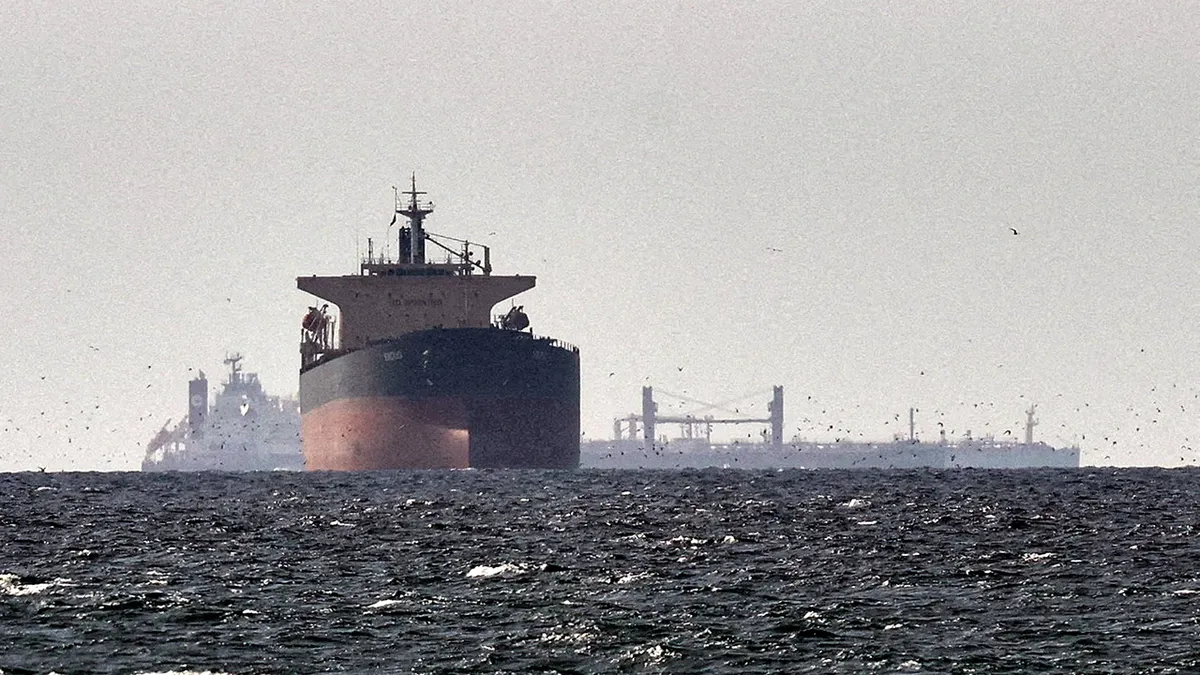
Gulf Stock Markets Fall Amid Iran Tensions as investors assess renewed military developments, shipping disruptions and uncertainty surrounding the conflict involving the United States and Iran. Saudi Arabia and Qatar recorded declines on Sunday, November 8, 2026, as traders evaluated the potential impact on regional trade, energy supplies and financial stability.
The latest market movements highlight the growing importance of geopolitical developments for international investors. Prolonged instability could affect energy exports, commercial shipping, business confidence and financial activity across the Gulf region.
The Strait of Hormuz is a major concern because it serves as an important route for international oil and liquefied natural gas shipments. Any extended disruption could influence transportation costs, energy prices and supply-chain operations.
According to Reuters reporting on Gulf financial markets, Saudi Arabia’s benchmark index fell 1%, while Qatar’s main index declined 1.3%. Investors were also monitoring reports of explosions in southern Iran and incidents involving commercial vessels.
Why Gulf Stock Markets Fall Amid Iran Tensions
The latest declines reflect uncertainty about the regional security situation and its possible economic consequences. Investors are assessing whether further escalation could affect energy infrastructure, international trade or shipping routes.
Reports of explosions at several locations in southern Iran, including Qeshm Island, added to market concerns. Iran’s Revolutionary Guard Navy also claimed that two tankers were burning after striking mines in a route it had declared off-limits. The circumstances surrounding these incidents remained unclear, and a direct connection between the reported explosions and maritime incidents had not been established.
The United States Central Command separately said that a US aircraft had fired on and disabled a commercial vessel attempting to breach the American naval blockade of Iran.
For financial markets, the duration of the uncertainty is particularly important. A short period of disruption may create temporary volatility, while a prolonged crisis could affect business costs, energy exports, insurance premiums and investment decisions.
Saudi Arabia and Qatar Stock Markets Face Investor Pressure
Saudi Arabia’s benchmark index declined 1% on Sunday. Shares of Al Rajhi Bank fell 0.6%, while Saudi Arabian Mining Company, also known as Ma’aden, lost 1.1%.
Qatar’s main stock index recorded a larger decline of 1.3%. Weakness across both exchanges indicates that investors are considering the wider economic consequences of regional instability.
The developments surrounding Gulf Stock Markets Fall Amid Iran Tensions are influencing expectations for regional companies. Banks, energy businesses and industrial firms could experience changing investor sentiment as traders evaluate the possible economic consequences of continued uncertainty.
Saudi Arabia and Qatar have different economic structures, but both are connected to international energy markets and regional trade. Changes in investor confidence can influence banking, industrial, logistics and energy-related companies.
Financial institutions may also face uncertainty if businesses delay investment decisions or if market volatility affects borrowing and financing conditions.
Investors following regional developments can find additional coverage in the Market Financial Journal Markets section.
Strait of Hormuz Shipping Disruptions Raise Global Concerns
The Strait of Hormuz remains one of the most important factors in the current market outlook. It connects the Persian Gulf with the Gulf of Oman and provides a major export route for oil and liquefied natural gas from the region.
Recent shipping data has highlighted the scale of the disruption. A Reuters report published by Gulf Times said five commodity vessels crossed the strait on Saturday, while no transits were registered for Sunday in the cited Kpler data. The previous weekend recorded 31 transits.
Lower vessel movements can create challenges for energy exporters, shipping companies, commodity traders and businesses that depend on reliable deliveries.
The risks extend beyond oil production. Tanker operators may face higher insurance costs, longer routes and additional security requirements. These expenses can eventually affect the price of energy and other goods transported through the region.
The United Kingdom Maritime Trade Operations (UKMTO) provides maritime security updates and incident information that can help shipping operators assess developments in the region.
5 Critical Oil Risks Investors Should Watch
The connection between Gulf Stock Markets Fall Amid Iran Tensions and international energy markets is especially important because the Gulf remains a major source of global oil and gas supplies.
Investors and businesses should monitor five major risks.
1. Disruption to Oil Shipments
Extended restrictions or security incidents around the Strait of Hormuz could delay crude oil and LNG deliveries. Energy exporters and international buyers may need to adjust transportation and purchasing arrangements.
2. Higher Shipping and Insurance Costs
Commercial vessels operating in higher-risk areas may face increased insurance premiums and additional security expenses. These costs can place pressure on shipping companies and businesses that depend on imported energy.
3. Greater Oil Price Volatility
Geopolitical uncertainty can influence crude oil prices as traders reassess the possibility of supply interruptions. However, prices also depend on global demand, production levels and inventories.
4. Pressure on Energy-Dependent Businesses
Manufacturers, airlines, transport operators and other energy-intensive businesses may experience higher operating expenses if fuel and transportation costs increase.
5. Lower Investor Confidence
Continued uncertainty can make investors more cautious about regional assets. Companies may face greater market volatility, while businesses could delay expansion or investment decisions.
These risks explain why developments in the Gulf are closely watched by international financial markets.
How Iran Tensions Could Affect Global Oil Prices
Oil markets are particularly sensitive to developments in the Gulf because of the region’s role in international energy supply. Any prolonged disruption to shipping or exports could increase concern about the availability and delivery of crude oil.
However, geopolitical risk does not automatically mean that oil prices will continue rising. Prices also depend on global demand, inventories, production decisions, economic growth and expectations about future supply.
In recent trading, Brent crude settled at $98.32 per barrel on November 6, while US West Texas Intermediate crude settled at $90.83. These figures reflected the market environment before the latest November 8 developments.
Another reason Gulf Stock Markets Fall Amid Iran Tensions matters to global investors is the region’s importance to international oil supplies. Any prolonged shipping disruption could increase transportation expenses, affect delivery schedules and create additional uncertainty for energy markets.
For more coverage of energy and economic developments, readers can visit the Market Financial Journal Economy section.
What Regional Escalation Means for International Businesses
The impact of the conflict is not limited to stock exchanges or oil producers. International companies with operations, suppliers or customers in the Middle East may also face increased uncertainty.
Shipping delays can affect delivery schedules for industrial materials, consumer goods and energy products. Higher insurance premiums and transportation costs may place additional pressure on businesses operating with tight margins.
Airlines, logistics providers, manufacturers and import-dependent companies may also need to review their exposure to the region.
For multinational businesses, the key considerations include supply-chain resilience, alternative transport routes, energy costs and the security of employees and facilities.
Companies that depend on predictable delivery schedules may need to prepare for longer transit times and higher operating expenses if maritime disruption continues.
Qatar Continues Diplomatic Efforts to Reduce Tensions
Diplomatic developments remain important for the regional financial outlook. Qatar’s prime minister said Doha continued to mediate between Washington and Tehran in an effort to prevent further escalation.
Successful negotiations could reduce uncertainty and help restore confidence among investors and businesses. A diplomatic breakthrough may also improve expectations for shipping activity and regional trade.
However, financial markets are likely to remain sensitive to new announcements, military developments and changes in maritime security conditions.
Investors should distinguish between confirmed developments and statements or claims that have not been independently verified. This is particularly important when assessing reports about attacks, vessel damage or possible interruptions to energy infrastructure.
What Investors Should Watch in Global Markets This Week
Investors will be monitoring several developments as the week progresses.
1. Strait of Hormuz vessel movements: Shipping activity will provide an important indication of whether commercial operations are returning to normal or facing further disruption.
2. Oil price movements: Changes in Brent and WTI prices could influence energy companies, inflation expectations and broader market sentiment.
3. US-Iran diplomatic developments: Any progress in negotiations could reduce geopolitical risk, while further escalation may increase market volatility.
4. Gulf stock market performance: The performance of Saudi Arabia, Qatar and other regional exchanges may reflect changing investor confidence.
5. Energy company announcements: Investors will be watching for updates from oil producers, shipping operators and companies exposed to the region.
Investors following Gulf Stock Markets Fall Amid Iran Tensions should also monitor diplomatic developments and changes in commercial shipping activity. These indicators may help explain whether current market pressure is temporary or could continue over a longer period.
Market participants should consider broader economic conditions rather than making decisions based on geopolitical headlines alone.
Gulf Financial Markets Outlook: Energy Security Remains a Key Concern
The latest declines show how quickly geopolitical developments can influence financial markets. Saudi Arabia and Qatar are facing renewed investor pressure as uncertainty around Iran, maritime security and energy exports continues.
The direction of regional markets will depend partly on whether shipping activity improves and diplomatic efforts prevent further escalation. A sustained disruption could increase operating costs and create additional uncertainty for energy markets and international businesses.
For now, investors are likely to remain cautious. Gulf Stock Markets Fall Amid Iran Tensions is not simply a regional financial story; it also highlights the connection between energy security, international trade and global market confidence.
Developments around the Strait of Hormuz, oil prices and US-Iran relations will remain important indicators for investors assessing the outlook for Gulf and international markets.
Frequently Asked Questions
1. Why are Gulf stock markets falling?
Gulf stock markets are under pressure because investors are concerned about renewed Iran-related tensions, shipping disruptions and the potential impact on regional energy supplies.
2. How much did Saudi Arabia’s stock market fall?
Saudi Arabia’s benchmark stock index declined 1% on Sunday, November 8, 2026, according to Reuters.
3. How did Qatar’s stock market perform?
Qatar’s main stock index fell 1.3% as investors assessed regional geopolitical risks.
4. Why is the Strait of Hormuz important for global markets?
The Strait of Hormuz is a major international shipping route for oil and liquefied natural gas. Disruptions can affect energy deliveries, shipping costs and global commodity prices.
5. Could Iran tensions increase oil prices?
Prolonged disruption to energy exports or shipping could put upward pressure on oil prices. However, actual prices also depend on global demand, supply levels, inventories and production decisions.
6. How are Gulf Stock Markets Fall Amid Iran Tensions affecting investors?
Gulf Stock Markets Fall Amid Iran Tensions are creating uncertainty for investors monitoring regional stock performance, oil supply risks and shipping disruptions. Market direction will depend on geopolitical developments, energy prices and investor confidence.
7. What should investors monitor after the Gulf market decline?
Investors should follow oil prices, shipping activity through the Strait of Hormuz, diplomatic developments, regional stock market performance and announcements from energy companies.