
Emergency Fund Planning: How Much Should You Save for Unexpected Expenses?
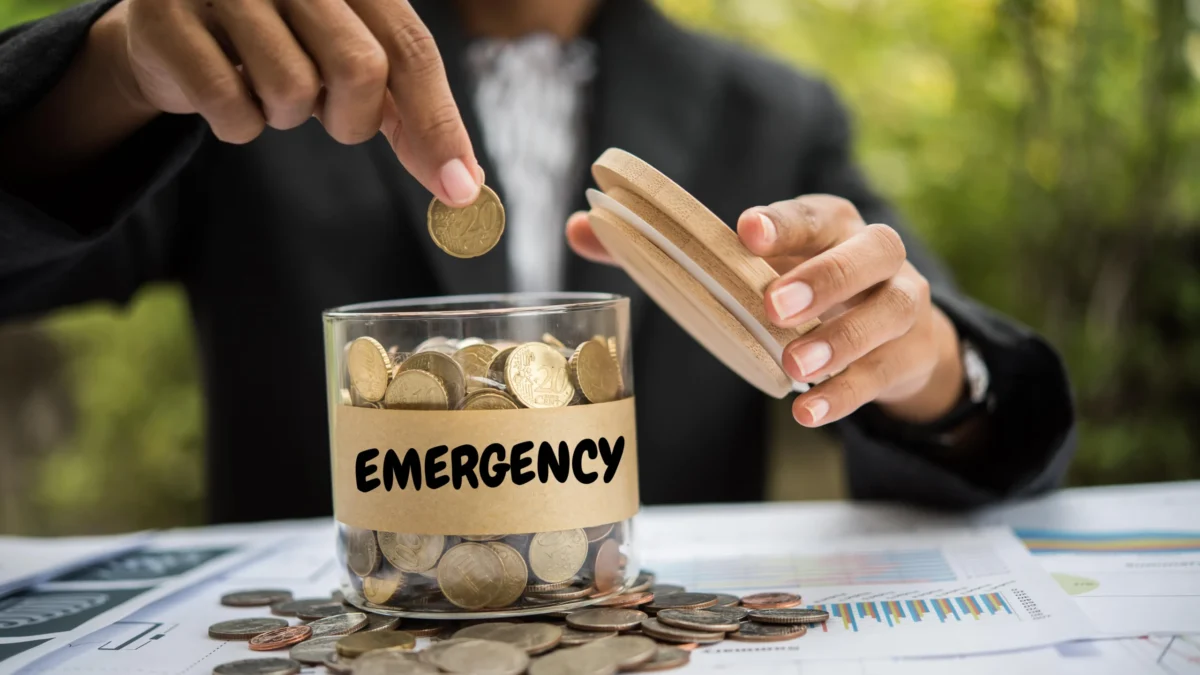
Emergency fund planning is an important part of personal finance because it helps households prepare for unexpected costs without relying on high-interest borrowing. A car repair, medical bill, urgent home repair, or temporary loss of income can disrupt even a carefully planned budget. Building an emergency fund provides a financial cushion that can help you manage these situations with greater confidence.
A practical emergency fund planning strategy starts with a realistic savings target and regular contributions. Rather than trying to predict every possible financial problem, the goal is to set aside money for essential expenses when circumstances change. With a consistent approach, you can gradually strengthen your financial security.
What Is an Emergency Fund?
An emergency fund is money reserved specifically for unexpected and necessary expenses. Unlike savings for a holiday, a new vehicle, or a home purchase, this money is intended to cover financial surprises that require immediate attention.
Common examples include:
- Unexpected medical bills or essential healthcare costs
- Emergency car repairs needed for transportation
- Urgent home repairs, such as a leaking roof or broken heating system
- Temporary unemployment or reduced working hours
- Essential expenses during an interruption in income
- Unexpected travel for a family emergency
The Consumer Financial Protection Bureau explains that emergency savings can help people manage financial shocks and reduce the need to borrow when unexpected costs arise. Its guide to building an emergency fund offers additional practical guidance.
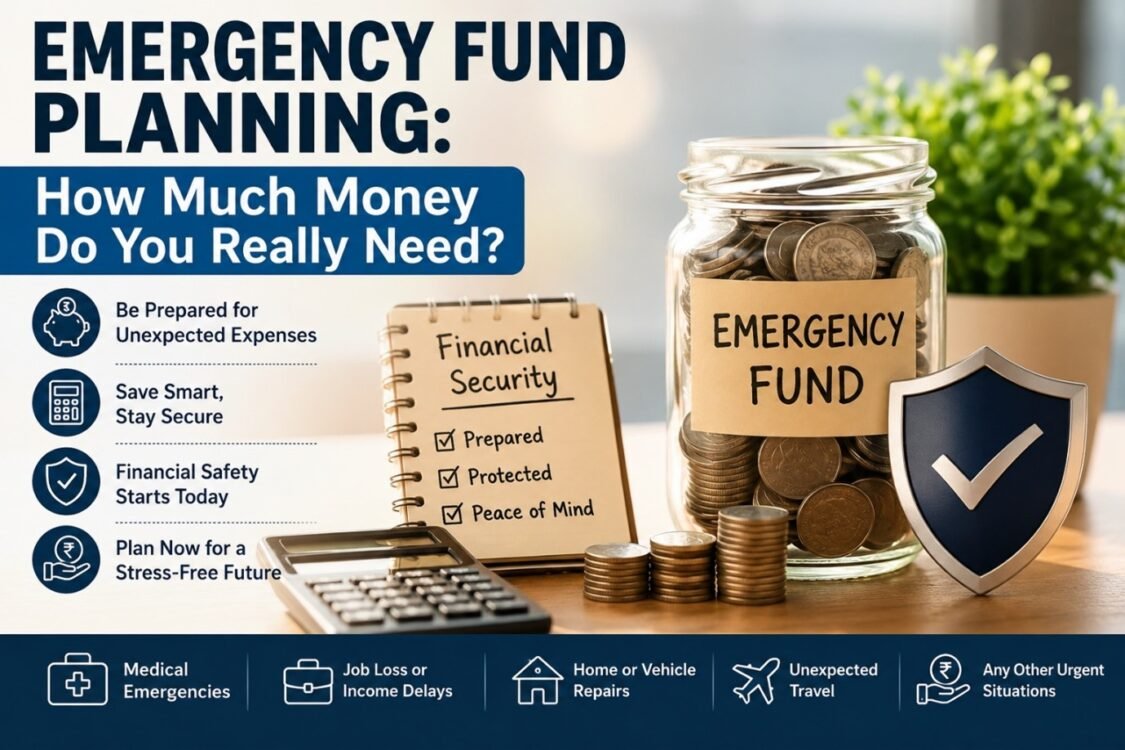
Emergency Fund Planning: How Much Should You Save?
The right savings target depends on your monthly expenses, income stability, household responsibilities, insurance coverage, and access to other financial resources. Emergency fund planning should reflect your circumstances rather than a number that may not fit your budget.
A common guideline is to work toward three to six months of essential living expenses. However, this is not a universal requirement. Your initial goal should reflect your current circumstances and what you can realistically save.
Start With One Month of Essential Expenses
Calculate how much money you need each month to cover necessities such as:
- Housing payments or rent
- Groceries and basic household supplies
- Electricity, water, gas, and internet
- Transportation costs
- Insurance premiums
- Minimum debt payments
- Essential healthcare and family expenses
For example, if your essential expenses total $2,000 per month, saving $2,000 would provide approximately one month of coverage.
Starting with a smaller target can make the process more manageable. Once you reach that milestone, you can gradually increase your savings.
Work Toward Three to Six Months of Expenses
Effective emergency fund planning involves choosing a target that reflects your financial responsibilities rather than copying someone else’s savings goal.
The following examples illustrate potential targets based on different levels of monthly essential expenses.
| Essential monthly expenses | Three-month target | Six-month target |
|---|---|---|
| $1,500 | $4,500 | $9,000 |
| $2,000 | $6,000 | $12,000 |
| $2,500 | $7,500 | $15,000 |
| $3,000 | $9,000 | $18,000 |
These figures are illustrative and assume your monthly expenses remain constant.
You may want a larger reserve if you have dependents, variable income, limited insurance, or fewer employment alternatives. If your income is stable and your essential expenses are relatively low, you might begin with a smaller reserve and build it over time.
How to Start Your Emergency Fund Planning
Successful emergency fund planning begins with a clear understanding of your financial priorities. Calculate your essential monthly expenses, review your income, and set a savings target that matches your circumstances. A consistent plan can help you prepare for unexpected bills without disrupting your regular budget.
1. Set a Realistic Monthly Savings Goal
Choose an amount that fits your current financial situation. Saving an affordable amount consistently can be more effective than setting an ambitious goal that forces you to miss essential payments.
For example, contributing $100 per month would add $1,200 to your savings over a year, before any interest earned. If your budget improves, you can increase the contribution.
2. Automate Your Savings
If your bank supports automatic transfers, arrange for a manageable amount to move into a separate savings account after payday.
Automation reduces the need to make the same decision every month and helps establish a regular savings habit. Review the transfer periodically and adjust it when your income or expenses change.
3. Review Your Monthly Spending
Look at recent bank statements and categorize your expenses into necessities, discretionary spending, and occasional costs.
Identify opportunities to reduce spending without compromising essential needs. Unused subscriptions, frequent convenience purchases, and avoidable fees may provide opportunities to redirect money into savings.
For additional guidance, read our article on how to build a budget that actually works.
4. Save Part of Unexpected Income
Tax refunds, work bonuses, gifts, or additional freelance income can help accelerate your progress.
You do not need to save the entire amount. Allocating a portion to emergency savings while meeting other financial obligations can help you make progress without feeling overly restricted.
5. Keep Emergency Savings Separate
Consider using a dedicated savings account for emergencies rather than keeping the entire reserve in your everyday spending account.
Separating the money can make it easier to track your progress and reduce the temptation to use it for routine purchases. Choose an account that provides suitable access and protection for your circumstances.
Best Places to Keep Your Emergency Savings
Emergency fund planning also involves deciding where to keep your savings. Choose an account that offers convenient access, appropriate protection, and reasonable fees. Keeping emergency money separate from everyday spending can make it easier to monitor your progress and avoid unnecessary withdrawals.
For many households, an appropriate bank savings account or credit union savings account may be suitable.
Consider three important factors before choosing an account.
Accessibility: You should be able to withdraw or transfer money when an urgent expense arises.
Safety: Understand how your money is protected and whether deposit-insurance limits apply.
Fees and restrictions: Review account maintenance fees, minimum balances, withdrawal conditions, and other charges.
Money intended for immediate emergencies is generally less suitable for investments that can fluctuate significantly in value. Stocks, cryptocurrency, and other market-linked assets may decline when you need the money or require time to sell and transfer.
If you are comparing savings options, consider the interest rate alongside accessibility, fees, and the applicable protections.
Emergency Fund Planning for Different Financial Situations
Effective emergency fund planning should reflect your employment situation, household responsibilities, and income stability. Employees with predictable salaries may choose a different savings target from freelancers or self-employed workers who experience irregular payments. Review your financial needs regularly to keep your emergency savings aligned with changing circumstances.
Employees With Stable Income
People with stable employment may find it easier to predict monthly income. Starting with one month of essential expenses and gradually working toward a larger reserve can provide a practical structure.
Freelancers and Self-Employed Workers
Freelancers may experience irregular payments, seasonal demand, or periods without new projects. A larger reserve may be useful because income can change from month to month.
When possible, calculate essential expenses using an average month and consider how long it might take to replace lost income.
Families With Dependents
Households supporting children, older relatives, or other dependents may face additional essential expenses. These responsibilities should be included when setting a savings target.
People Managing Debt
If you have outstanding debt, consider balancing emergency savings with debt repayments. A starter reserve can help cover unexpected costs without immediately resorting to additional borrowing. Continue meeting required minimum payments and consider prioritizing expensive debt as your budget allows.
Common Emergency Fund Planning Mistakes to Avoid
Even a good savings strategy can become difficult to maintain if the target is unrealistic or the money is used for non-emergency purchases.
Avoid these common mistakes:
- Waiting until you can save a large amount: Begin with a manageable contribution instead of delaying the process.
- Setting an unrealistic target: Calculate essential expenses and build your reserve gradually.
- Using emergency savings for planned purchases: Create separate savings goals for holidays, annual bills, and other predictable costs.
- Taking excessive investment risk: Prioritize accessibility and capital preservation for money you may need quickly.
- Forgetting to replenish withdrawals: Once an emergency has passed, make rebuilding your reserve a savings priority.
- Ignoring rising expenses: Review your target when rent, insurance, household size, or other essential costs increase.
Emergency savings are not meant to solve every financial problem. They are designed to provide a buffer that can reduce the pressure of unexpected expenses.
When Should You Use Your Emergency Fund?
Before withdrawing money, consider whether the expense is unexpected, necessary, and urgent.
A sudden car repair needed to get to work may qualify. A planned holiday or routine shopping purchase generally would not.
However, individual circumstances differ. An expense that threatens your housing, healthcare, safety, or ability to earn income may justify using the reserve.
If you need to withdraw money, do not treat it as a failure. Emergency savings exist to help during difficult situations. Once the immediate problem is addressed, review your budget and decide how to rebuild the amount you used.
Frequently Asked Questions
Is $1,000 enough for an emergency fund?
It can be a useful initial goal, but whether it is sufficient depends on your essential expenses and circumstances. A significant repair or a period without income may cost considerably more.
How much should I save each month for emergencies?
Choose an amount that fits your budget after essential expenses and required payments. Even a modest monthly contribution can help build savings over time. Increase it when your financial situation allows.
Where should I keep my emergency fund?
An accessible savings account may be suitable for many households. Compare fees, withdrawal conditions, interest rates, and applicable deposit protections before deciding.
Should I invest my emergency savings?
Money needed for immediate emergencies generally should not depend on market performance. Investments can lose value, making them less reliable for urgent expenses than an appropriate cash reserve.
Should I build savings or pay off debt first?
Consider balancing both priorities. Maintaining a starter emergency reserve can help prevent an unexpected bill from creating additional debt. Continue making required payments, and consider directing extra money toward high-interest debt while continuing to save.
How often should I review my emergency fund?
Review your target at least annually and whenever your income, housing costs, household size, insurance coverage, or other essential expenses change significantly.
The Bottom Line
A practical emergency fund planning strategy does not require you to save everything at once. Start with a manageable amount, make regular contributions, and increase your target as your financial situation improves. Consistency can help you build a reserve that supports greater financial stability.
Emergency fund planning is about preparing for uncertainty, not accumulating a perfect amount of money overnight. Calculate your essential monthly expenses, choose a realistic initial target, and contribute consistently. As your savings grow, adjust the goal to reflect your financial responsibilities and level of income security.
A dedicated emergency reserve can give you greater flexibility when unexpected costs arise and help protect your other financial goals from disruption.
This article is for educational purposes only and does not constitute individualized financial advice.