
How to Build a Diversified ETF Portfolio: 5 Essential Steps for Investors
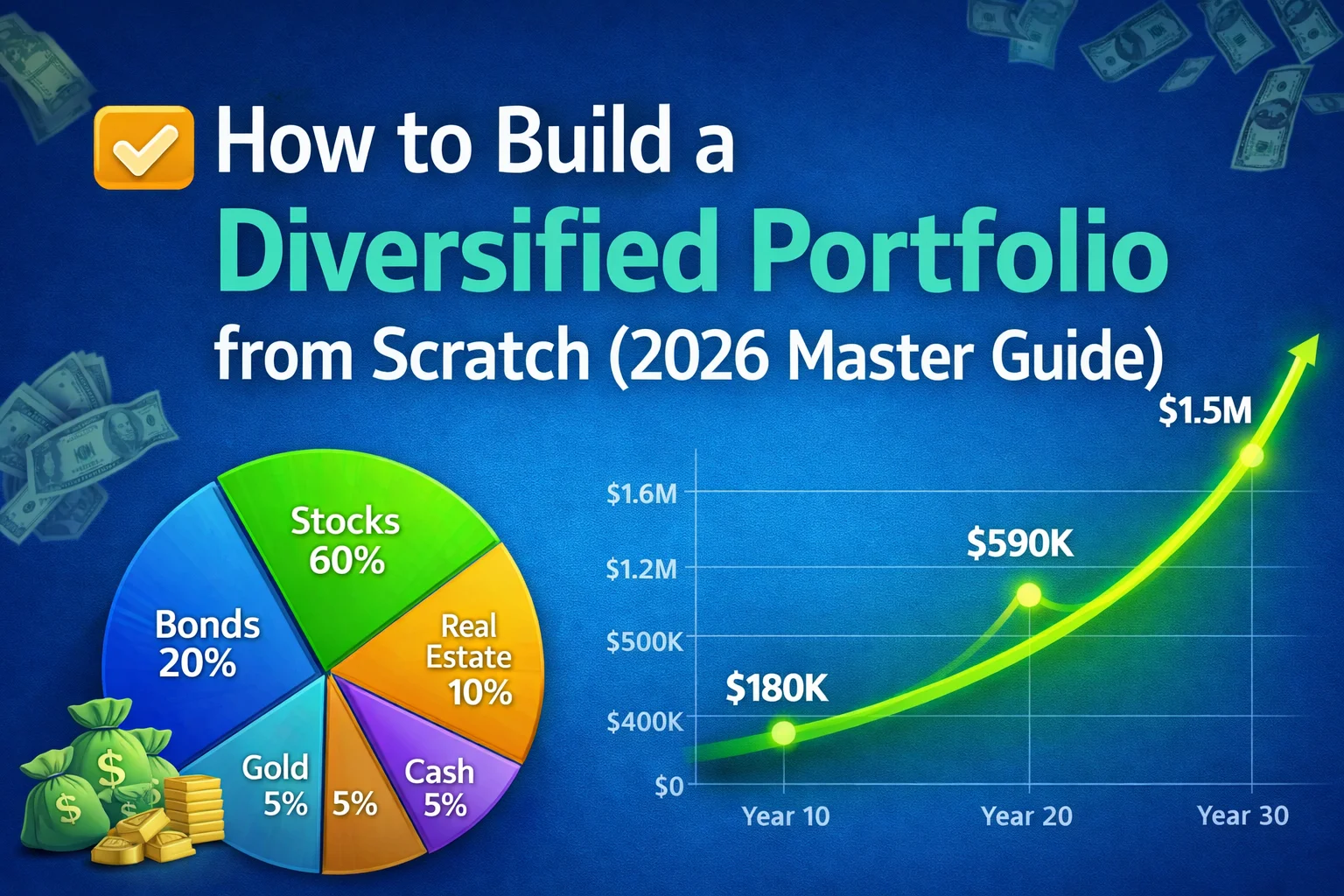
Building a Diversified ETF Portfolio is a practical way to invest across different companies, industries and asset classes without selecting individual stocks and bonds. Exchange-traded funds (ETFs) allow investors to access broad markets through a relatively small number of investments.
A carefully structured portfolio can help spread investment risk, manage costs and support long-term financial goals. Here are five essential steps to consider when building one.
1. Choose the Right Asset Allocation
The first step in creating a diversified ETF portfolio is deciding how much to invest in stocks and bonds. Your investment timeline, financial goals and risk tolerance should guide this decision.
| Investment approach | Stocks | Bonds |
|---|---|---|
| Growth-focused | 80% | 20% |
| Balanced | 60% | 40% |
| Conservative | 40% | 60% |
These are illustrative allocations, not personalised investment recommendations. A longer investment horizon may allow investors to accept more stock market volatility.
2. Select Three Core ETF Categories
A simple portfolio can cover several major investment areas through three broad fund categories.
U.S. Total Stock Market ETF
A total US stock market ETF provides exposure to companies across different industries and market capitalisations. It can serve as the central stock holding in a diversified portfolio.
International Stock ETF
International ETFs provide exposure to businesses outside the United States. They can include developed economies and emerging markets, helping reduce dependence on one country’s stock market.
Bond Market ETF
Bond ETFs provide exposure to government and corporate debt. They can generate income and help balance stock market fluctuations, although interest rate and credit risks remain.
Investors can compare fund holdings and expenses through Vanguard’s ETF education resources.
3. Consider Additional ETF Investments
After establishing core holdings, investors may consider smaller positions in specialised funds.
Examples include:
- Technology ETFs: Focus on technology companies.
- Dividend ETFs: Invest in companies that distribute dividends.
- Real estate ETFs: Provide exposure to real estate investment trusts.
- Healthcare ETFs: Focus on healthcare businesses.
- Thematic ETFs: Target trends such as artificial intelligence and clean energy.
These investments can increase concentration risk. Keep specialised holdings consistent with your overall investment strategy.
4. Check ETF Overlap and Investment Costs
Owning multiple funds does not automatically create better diversification. Two ETFs may track different indexes but still hold many of the same companies.
Before investing, compare their underlying holdings, geographic exposure, sector weights and expense ratios.
The SEC’s investor guide to ETFs explains how ETFs operate and what investors should understand before purchasing them.
5. Rebalance Your Portfolio Regularly
Market performance can gradually change your original allocation. For example, a portfolio designed with 60% stocks and 40% bonds may become more heavily weighted towards stocks after a strong equity market rally.
Rebalancing means adjusting investments to restore the intended percentages. Some investors review their allocations annually or when holdings move beyond a predetermined threshold.
Consider transaction costs and tax implications before selling investments.
Common ETF Investing Mistakes
Investors should avoid several common mistakes:
- Buying funds only because of recent performance.
- Ignoring overlapping holdings.
- Paying unnecessarily high fund expenses.
- Taking excessive exposure to one industry.
- Failing to review portfolio allocation.
- Ignoring tax implications of ETF distributions and sales.
For additional guidance, read our article on how ETFs are taxed.
Frequently Asked Questions
How many ETFs do I need for diversification?
Three to five broad ETFs may provide exposure to domestic stocks, international equities and bonds. The appropriate number depends on the underlying investments and your goals.
What is a three-fund ETF portfolio?
It generally combines a domestic stock fund, an international stock fund and a bond fund to provide exposure across different markets and asset classes.
How often should I rebalance my portfolio?
Many investors review their allocation annually or when it moves significantly away from the original target.
Are ETFs suitable for beginners?
Broad-market ETFs can offer beginners access to diversified investments through a single fund. However, ETFs still carry market risk and can lose value.
Final Thoughts
A Diversified ETF Portfolio does not need dozens of funds to cover major investment categories. Broad stock, international and bond ETFs can provide a practical foundation for long-term investing.
Investors should compare expenses, holdings, risk levels and tax implications before selecting funds. A straightforward strategy that matches financial goals can be easier to maintain than a complicated collection of overlapping ETFs.
Disclaimer: This article is for educational purposes only and does not constitute financial, tax or investment advice.